

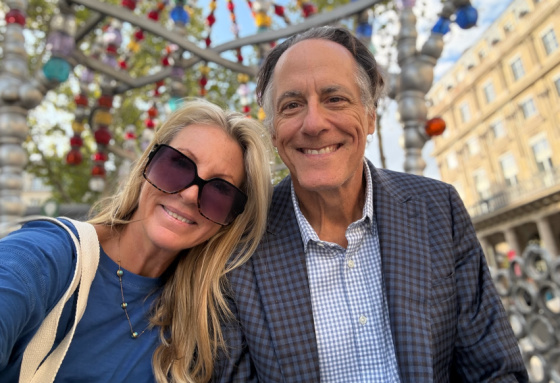
While attending the GRI conference in Paris recently, I found myself reflecting on a disconnect between what I was seeing with my own eyes and what I know higher interest rates are intended to accomplish.
Everywhere Heather and I went, Paris felt vibrantly alive. The cafés were packed well into the evening. Sidewalks overflowed with tourists and locals lingering over meals. Stores appeared busy. The city possessed the unmistakable energy that comes from people enjoying themselves and moving confidently through daily life.
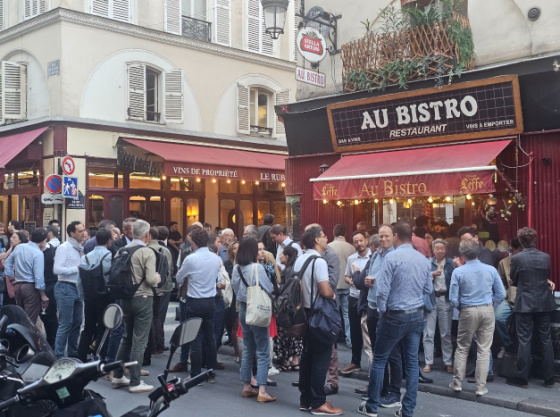
If someone had arrived knowing nothing about interest rates, bond yields, commercial real estate, or economic policy, they would likely conclude that the global economy was in excellent shape.
And that, perhaps, is exactly the point.
Higher interest rates rarely create visible damage overnight. They are more like pressure accumulating beneath the surface.
Their purpose is not immediate destruction but behavioral modification. Central bankers are not trying to stop economic activity altogether. They are trying to make capital more expensive, borrowing less attractive, and speculation more difficult. The effects occur gradually, often invisibly, until eventually they emerge in places where people can no longer ignore them.
Months ago, I viewed roughly 4.75% on the 10-year Treasury as the last meaningful line of defense for those arguing that rates were destined to move lower. Once that level gave way, I communicated internally that the burden of proof had shifted materially. The bond bulls suddenly had the harder argument. Instead of simply assuming rates would decline because they had done so repeatedly over the previous forty years, they now needed to explain why the market was ignoring inflationary pressures, fiscal deficits, and an economy that continued to display surprising resilience.
Today, with yields approaching 5%, we are entering a different phase of the cycle. At 4%, many real estate operators can still view higher rates as an abstraction. At 5%, the experience becomes tangible. Theories begin colliding with lender term sheets. The conversation shifts from where rates might be going to what a refinancing actually costs.
That distinction is enormously important.
Commercial real estate remains in a peculiar period where much of the damage has yet to be fully recognized because many owners are still operating with debt structures created under vastly different circumstances. They continue collecting rent. They continue maintaining occupancy. Their properties may outwardly appear healthy. Yet every day brings another property closer to maturity, another refinancing discussion, another lender conversation, and another moment where assumptions meet reality.
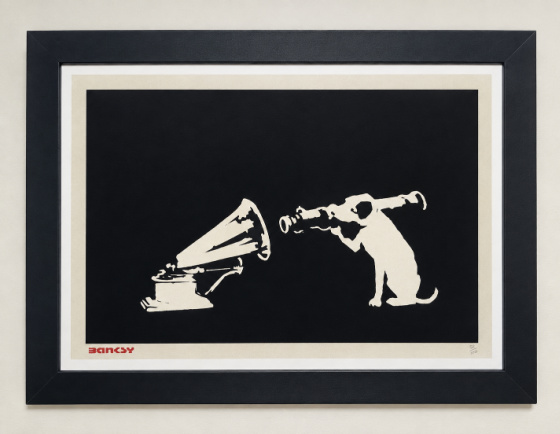
The refinance quote may ultimately become commercial real estate’s version of a Banksy installation.
Unexpected.
Difficult to ignore.
And often delivering a message nobody really wanted to see.
What concerned me during portions of the conference was not panic. In some ways, panic would have been easier to understand. Instead, I sensed a calm confidence that things would somehow work themselves out. The mood felt closer to hopeful resignation. Rates are high. Capital is expensive. Transactions are difficult. Refinancing challenges are obvious. Yet there seemed to be a belief that because disaster has not yet arrived, perhaps it never will.
I hope that optimism proves justified.
But hope itself is not a strategy.
History suggests that markets eventually force recognition of realities that participants would prefer to postpone. Cash flow doesn’t care about narratives. Debt-service coverage ratios don’t care about optimism. Lenders don’t care whether anyone likes the answer. At some point the mathematics become the message, and that message may be more jarring than many industry participants currently expect.
Ironically, I remain optimistic about the long-term prospects for multifamily housing.
The same forces creating pressure today may sow the seeds for an exceptionally constructive operating environment tomorrow.
Prospective homeowners continue facing affordability challenges. Higher mortgage rates have significantly altered what buyers can afford. Existing homeowners remain locked into low-rate mortgages and are reluctant to sell. Developers face escalating financing costs, tighter underwriting, and fewer projects that economically pencil. The entire housing ecosystem is feeling a squeeze.
But squeezes create consequences.
If development slows materially while household formation continues and homeownership remains difficult to attain, apartment demand can strengthen while future supply growth moderates. That combination has historically been very favorable for apartment owners. Stronger occupancy, improved pricing power, and accelerating net operating income growth can ultimately emerge from precisely the pressures that currently feel so uncomfortable.
The challenge, of course, is managing through the squeeze before enjoying the benefits that may eventually result from it.
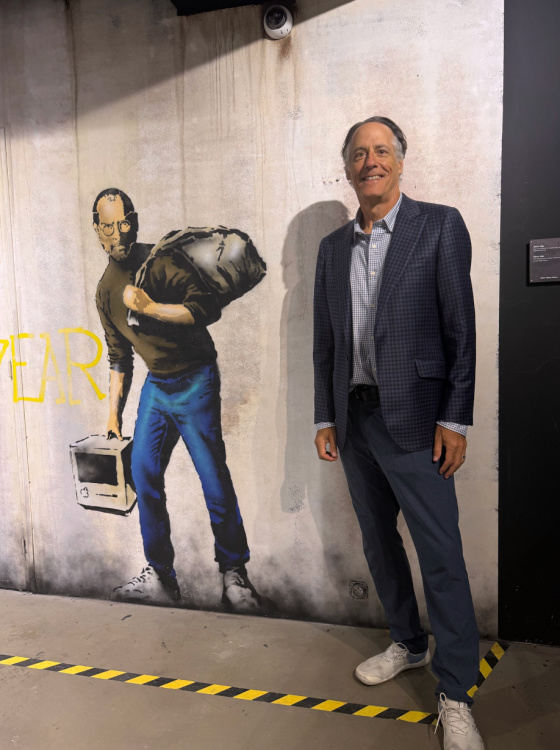
After the conference, Heather and I visited the Banksy Museum. I have always appreciated Banksy’s work, but seeing an entire collection together created a different experience. What struck me was not simply the artistry. It was the way he forces viewers to confront realities they might otherwise walk past. His work is often funny, provocative, and occasionally unsettling, but beneath all of it sits a deep challenge to complacency.
One quote displayed in the museum stopped me in my tracks:
“The mind works better when you are paranoid. Every nook and cranny of a situation is explored at high speed and with total clairvoyance.”

The word paranoia typically carries negative connotations. We associate it with fear, anxiety, and irrational thinking. Yet I don’t believe that is what Banksy was describing. I think he was describing something closer to relentless awareness. A refusal to assume. A willingness to examine vulnerabilities while others are focused exclusively on possibilities.
The best investors I have known possess this trait.
Not because they are pessimists.
Quite the opposite.
They are often profoundly optimistic people. Their optimism simply rests on a foundation of rigorous preparation. They ask uncomfortable questions before circumstances force the questions upon them. They examine downside scenarios before they become reality. They search for cracks while they still have time to repair them.
That strikes me as particularly relevant today.
If refinance quotes become the Banksy artwork of this cycle, then productive paranoia may be one of the most valuable skills an owner can possess. Not panic. Not fear. Not catastrophizing. Just a disciplined willingness to see what is actually there rather than what we hope will be there.
Another Banksy quote displayed in the museum resonated with me for a different reason:
“It seems to me the best way to make money out of art is not to even try. It doesn’t take much to be a successful artist. All you need to do is dedicate your entire life to it.”
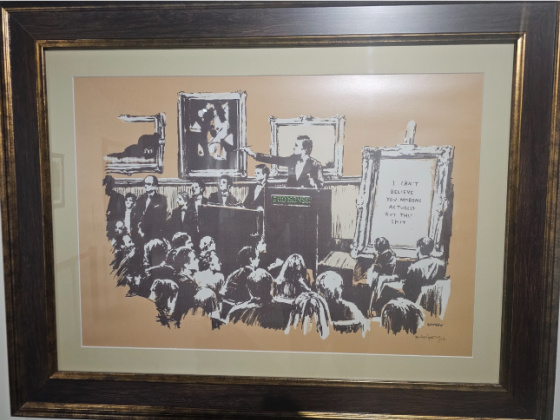
While Banksy was speaking about art, I couldn’t help but think about stewardship. Managing through an environment like today’s does not require perfect interest-rate forecasts. It requires dedication. Focus. Discipline. Persistence. It requires an almost obsessive commitment to improving every aspect of operations, strengthening balance sheets, preserving liquidity, and creating value where value can still be created.
As I walked through Paris later that evening, the city looked no different than it had earlier that day. Restaurants remained full. The streets remained crowded. The energy remained palpable. Nothing visible suggested stress.
Yet pressure was building.
Perhaps that is the lesson. The most important developments are often invisible until they suddenly become impossible to ignore. Today’s higher rates are applying pressure throughout housing, development, and commercial real estate. Some of the messages produced by that pressure will likely be uncomfortable. Some refinance quotes may feel like cold water thrown in the face of assumptions that have gone unchallenged for too long.
But for those willing to confront reality early, adapt thoughtfully, and steward carefully through the squeeze, today’s pressure may ultimately become tomorrow’s opportunity.
Banksy might call that paranoia.

Leave a Reply