

Barcelona, the zoo, clay courts, and the art of living awake
We were in Barcelona—intentionally and accidentally at the same time.
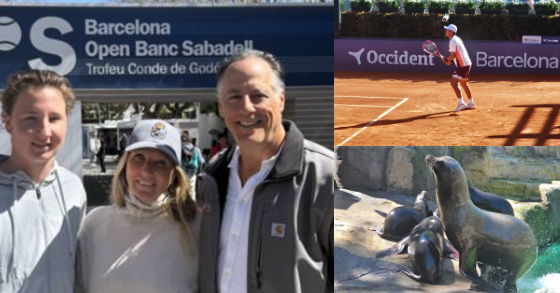
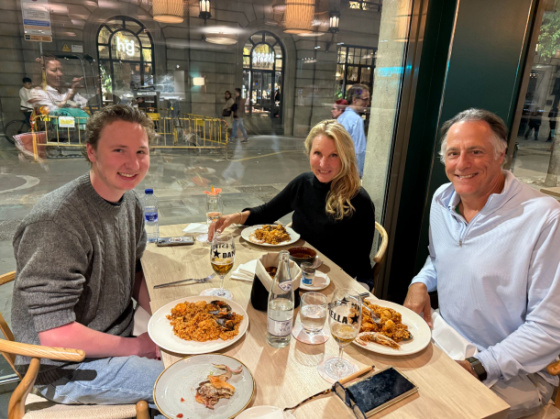
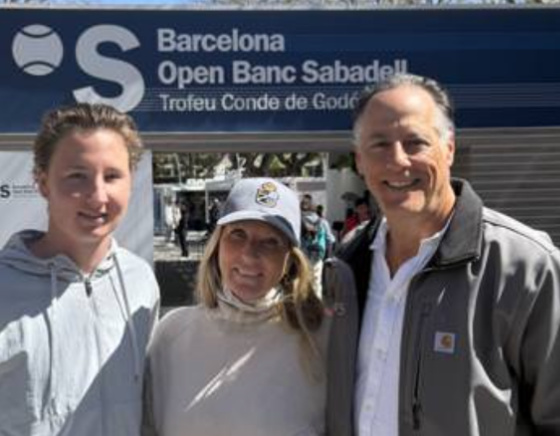
Heather and I arrived after spending the prior week at the Rolex Monte‑Carlo Open, and by a stroke of good fortune, the tennis calendar carried us right into the Barcelona Open. The city itself was already our destination for a different reason altogether: celebrating Heather’s son’s 21st birthday while he’s studying abroad there. One chapter opening wide, another quietly closing.
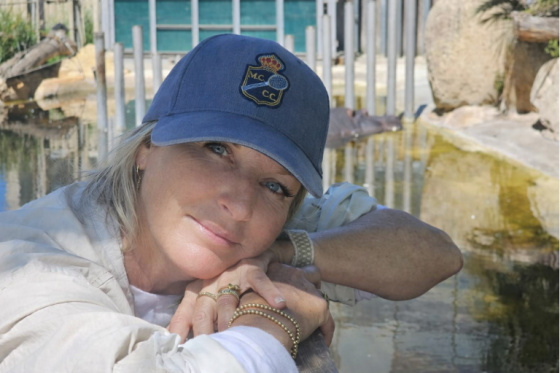
Early in the trip, during a long walk through the city, we found ourselves at the Barcelona Zoo—a place I’ve always loved to visit. That moment, more than I could have predicted, ended up anchoring much of what I’ve been reflecting on since returning home.
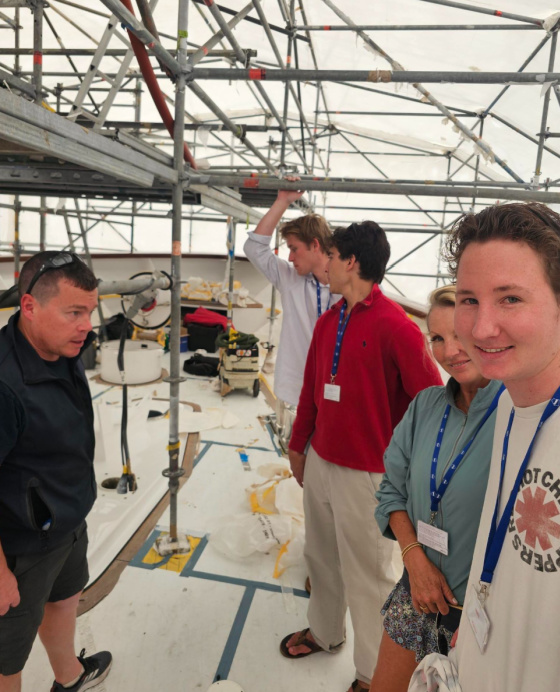
As if the city hadn’t already given us enough coincidences, my partner’s boat also happens to be in Barcelona, where it has been undergoing extensive renovations at one of the shipyards for the past six months. The captain arranged a behind‑the‑scenes visit and invited us to bring Heather’s son and two of his friends along. Watching them step into that world—the scale, the engineering, the craftsmanship hidden beneath polished surfaces—was a reminder of how much exists below the waterline of anything worth building.
That idea of what’s visible versus what’s quietly supporting everything would come up again and again over the course of the week.
Care, Caution, and Unexpected Gratitude
Almost everywhere we went—restaurants, cafés, even while listening to a street musician—we were reminded: Be careful. Don’t leave your phone on the table. Keep your valuables close. Barcelona, we were told again and again, has its share of thieves and pickpockets.
At first, that’s a mildly unsettling thing to hear. No one loves being put on guard while trying to relax. But something unexpected happened the more we heard it. Those warnings began to feel less like alarms and more like gestures of care.
Yes, it’s in the city’s interest that visitors don’t become victims—crime is bad for business. But still, each reminder carried a human undertone: We’re looking out for you. And each time, I felt gratitude rise where irritation might normally live.
There’s a lesson there, I think. Protection doesn’t always arrive in comfortable packaging. Sometimes it shows up as caution, as boundaries, as reminders we didn’t ask for but probably needed.
Movement Without Metrics
We walked a lot. Miles, without noticing the miles. Wandering neighborhoods, getting lost and found again, letting the day unfold without an agenda.
What I didn’t do much of was anything resembling structured training. No gym sessions. No tennis. No deliberate attempts to spike my heart rate.
That, too, was instructive.
There’s real pleasure in movement that isn’t measured—steps without goals, exercise without optimization. And yet, I know myself well enough to know that when I return home, deliberately pushing my heart rate again will feel good. Necessary, even. The contrast sharpened my appreciation for both modes: wandering and working, ease and effort.
The Zoo and the Wisdom of Animals
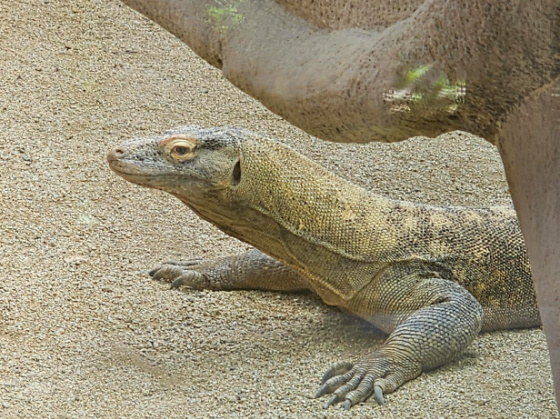
One afternoon, our walk led us to the zoo—a place I’ve always loved. There’s something deeply calming about observing animals if you let yourself slow down enough to really see them.
What struck me most this time was how clearly their days are structured around three fundamental activities: play, rest, and a kind of still presence that looks an awful lot like meditation.

It was impossible not to feel a twinge of recognition—and maybe a little remorse. Those three elements are essential to a flourishing life, and yet they’re the first to be sacrificed when ambition or anxiety takes over.
And yet, a contradiction presented itself just as clearly.
The animals live in a protected, controlled environment. Safety is guaranteed. Food appears. Threats are managed.
That’s not a model for human life.
We shouldn’t aspire to be caged—even beautifully so. A meaningful life requires uncertainty, risk, and self‑reliance. It requires building something of your own rather than relying on someone else to curate the conditions.
But it also doesn’t require isolation.
The deeper truth, I think, lives in symbiosis. Strong relationships without dependence. Familial ties without forfeiting independence. Mutual care without infantilization.
Freedom with connection.
Playing in Our Own Plays
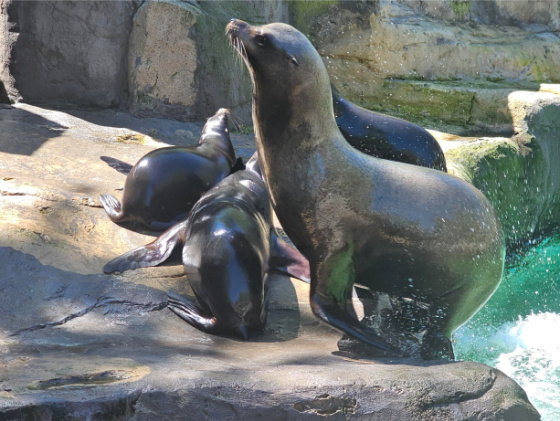
At one point, watching sea lions frolic without apology or self‑consciousness, I said out loud to Heather:
We should strive to play in our own plays.
The phrase surprised me as much as it did her.
What I meant was this: we are not meant to be passive observers of our lives. We’re meant to author them. To step into leading roles. To bring both seriousness and play to the stage, we build for ourselves.
And play doesn’t mean frivolity. It means presence. Engagement. Taking joy seriously.
At the same time, play alone isn’t enough.
We also have to drill down to find our reservoir of strength. To compete, not necessarily against others, but against the edges of who we think we are. To see what we’re capable of when effort is applied with intention.
Ferocity and Joy on the Same Court
That balance was on full display at the Barcelona Open.
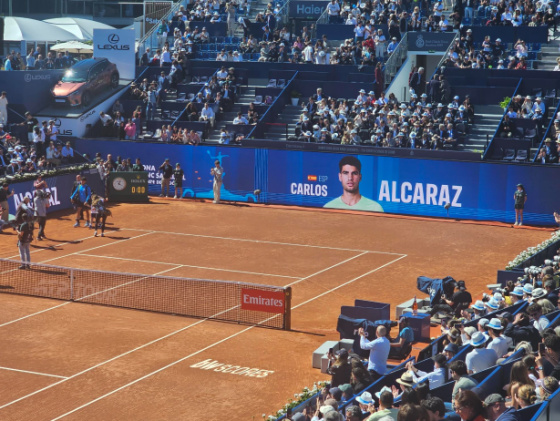
Watching Carlos Alcaraz was a masterclass in ferocious joy. The intensity is undeniable, almost overwhelming at times—but so is the delight. He competes like someone fully alive, as if pressure doesn’t drain him but animates him.
We also had the pleasure of watching Brandon Nakashima play—a moment that felt oddly personal. Having practiced at The TenniSphere, he occupies a small but meaningful overlap in our world. His presence on court was very different: stoic, contained, quietly determined. No wasted emotion. Just resolve.
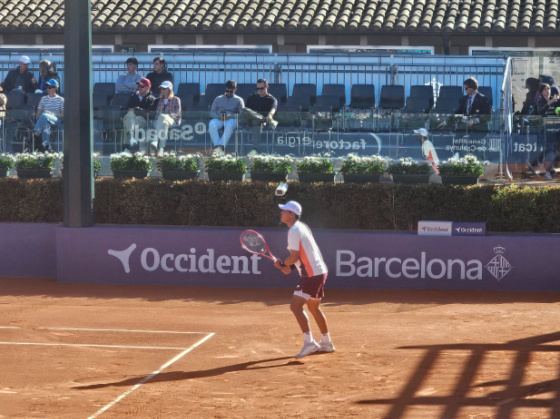
And yet, he fought hard. And he won.
Two very different embodiments of the same pursuit. One exuberant, one restrained. Both are valid. Both are instructive.
And the reality of being out of a protected environment hit home for Alcaraz. After feeling pain in his wrist after hitting a forehand, he called for the physio at the end of the first set. He went on to complete the match but it came at a cost. His injury was more significant than initially thought. He had to withdraw from the tournament.
What Barcelona Gave Me
I’m not sure this trip delivered neat conclusions. It didn’t hand me a manifesto or a checklist.
What it offered instead was alignment—momentary clarity around the kind of life I want to keep building:
A life with play, but not escape.
With discipline, but not rigidity.
With care, but not dependence.
With competition, but not joylessness.
With gratitude, even when the reminder comes dressed as caution.
Barcelona reminded me that flourishing isn’t about removing tension—it’s about learning to hold it well.
And maybe that’s the real work: to stay awake enough to notice when life is quietly inviting us back onto the stage, asking us once again to play our part.

Leave a Reply