


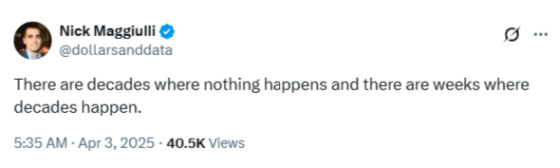

I have written a lot over the years about how global events and markets often follow the path of how one of Hemingway’s characters said he went bankrupt.
“How did you go bankrupt?”
Two ways. Gradually, then suddenly.”
― Ernest Hemingway, The Sun Also Rises
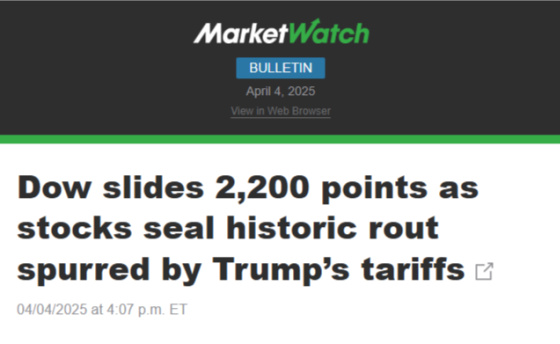
Anyone with some understanding of economics knew that if Trump’s tariffs got implemented that they would cause extraordinary economic harm in the short to medium term because there is no way consumers and businesses can adjust to such enormous overnight price increases. In addition, the supply chain cannot expand and retool quickly enough to allow for domestic production of the now far less cost competitive imports. At the same time, most people also probably felt that Trump is always negotiating and that these were just a way to get other countries to lower their trade barriers as well as other non-monetary demands from him. As a result, stresses were building up in the system but gradually became suddenly last week after he announced the new tariff rates and then things went further downhill after China retaliated.
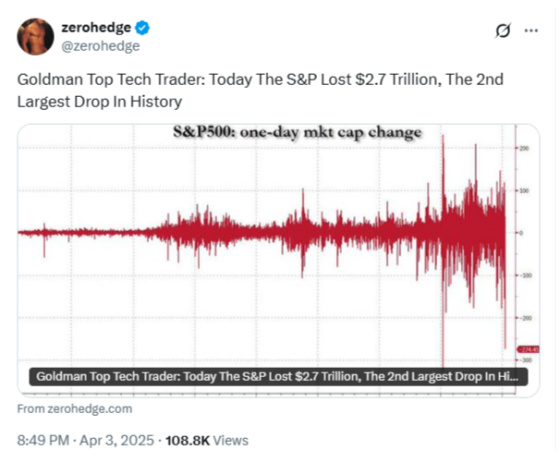
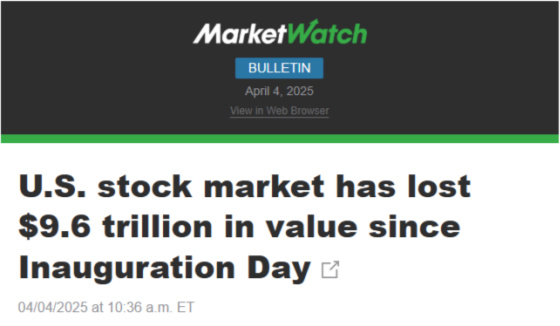
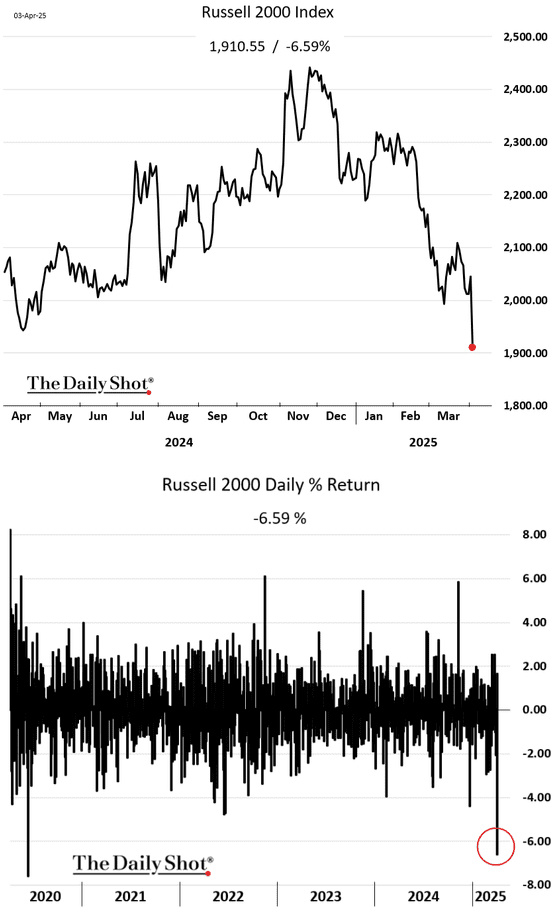
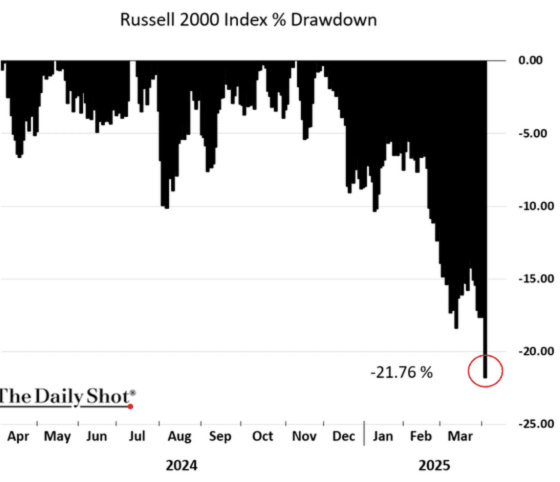
Small cap stocks have gotten crushed.
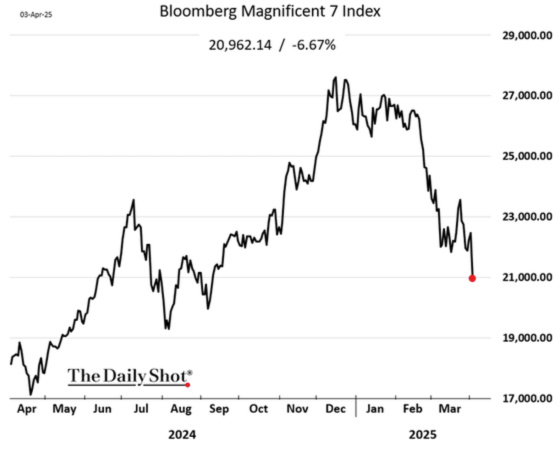
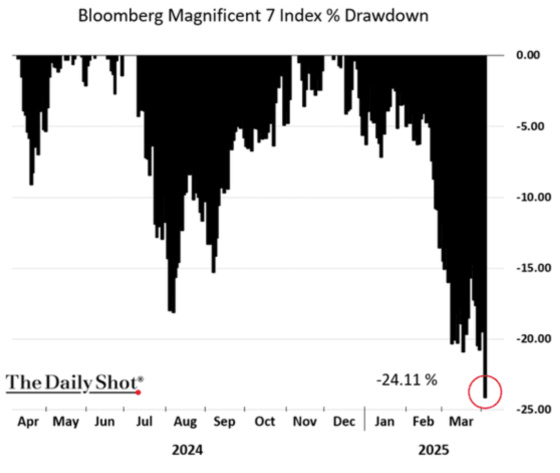
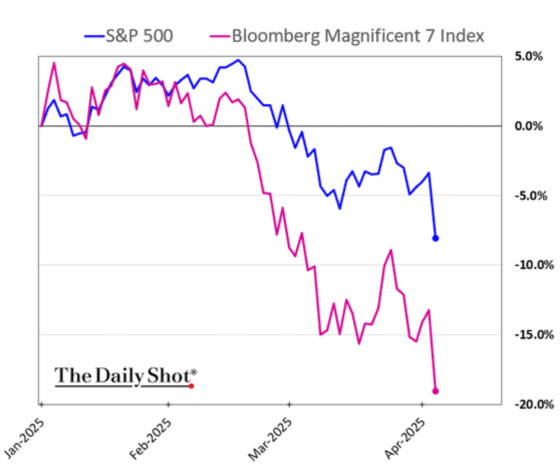
The high tech megacap darlings have had the air taken out of their balloon.
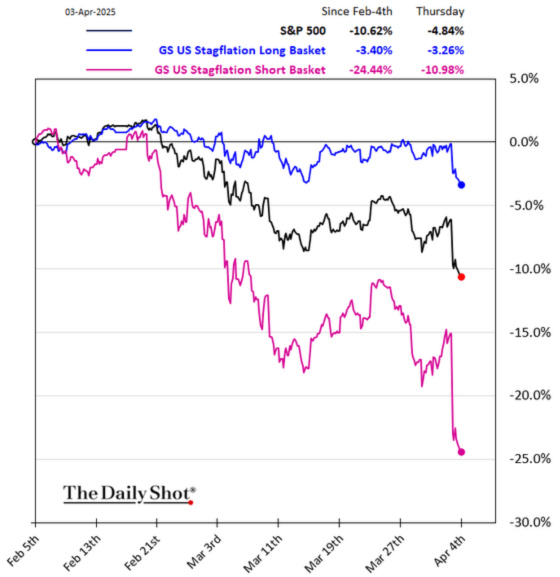
Companies benefitting from stagflation outperformed during the carnage while those who bet against these stocks by shorting them have gotten massacred.
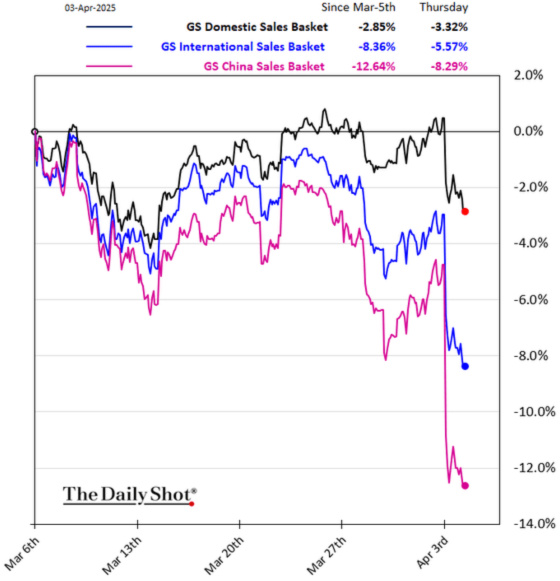
Companies with exposure to overseas sales, particularly in China, have underperformed as well.
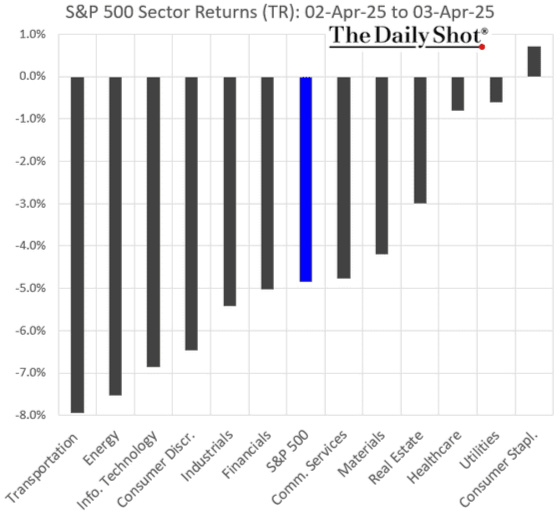
And while real estate has not been immune to the sharp correction, it has not been hit nearly as hard as other industries. This is not surprising as real estate tends to benefit from lower interest rates and interest rates came down quite significantly last week.
Of course we locked in a number of loans before gradually became suddenly but such is life. You make the best decisions you can with the information you have at the time and if the rates at the time accomplish your objective when if they moved dramatically the other way you would have been harmed rather materially then you shouldn’t look back with regrets.
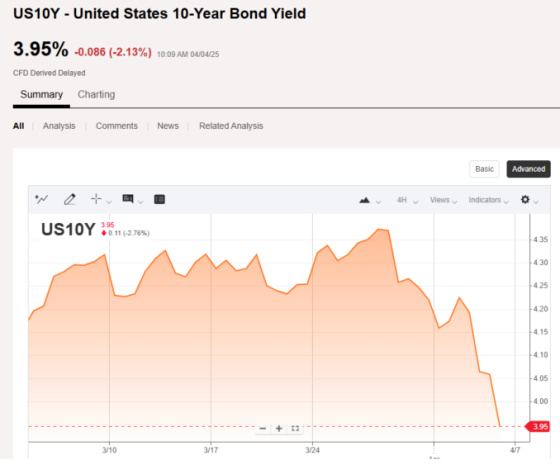
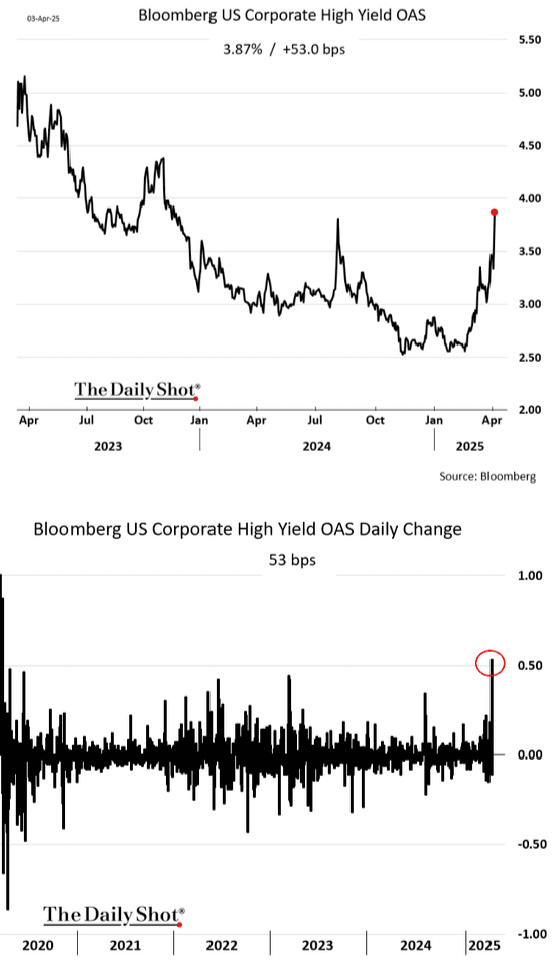
Borrowing rates are based on an underlying index, such as Treasury yields, plus a spread over them to compensate lenders for the risk of lending to a non-government entity. And while Treasury yields have dropped, up until very recently, spreads remained pretty steady. Last week they blew out so it will be interesting to see how much this carries over to borrowing rates for apartment owners.
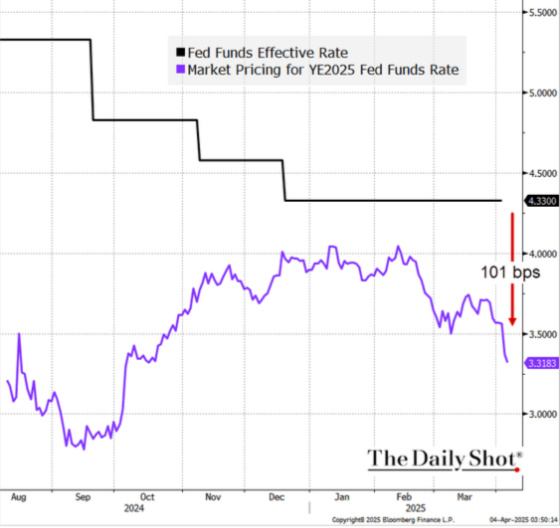
And because we still have ⅔ of our portfolio with floating rate loans, we are well positioned to benefit from cap costs coming down dramatically and if the Fed now finds itself going from gradually to suddenly as well in terms of rate cuts.
I don’t have much more to add other than to memorialize last week’s fireworks in the markets. I’m sure that tariffs are part of a bigger geopolitical master plan but that’s for another post.
Buckle up and do your best to stay safe and try to enjoy the ride.

Leave a Reply